
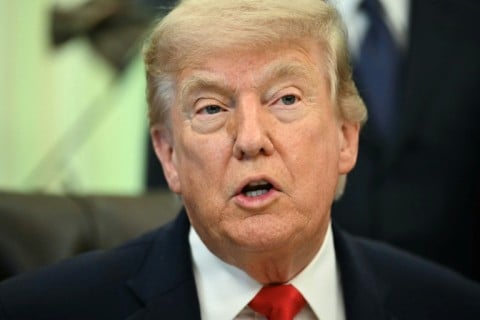
GENEVA – The United Kingdom, France, Germany, and Italy have announced their readiness to lift sanctions imposed on Iran, signaling a pivotal diplomatic breakthrough aimed at resolving a conflict that has paralyzed global energy arteries and destabilized the Middle East.
The four European powers stated they will work “with the US, Iran and regional partners to seize this moment, maintain momentum and achieve a long-term diplomatic settlement.” Diplomats say their offer is contingent on Iran’s compliance with a detailed ceasefire and verification regime that will be attached to the agreement as legally binding annexes, forming the basis for a staged rollback of measures imposed under national and European Union sanctions statutes as well as past United Nations Security Council resolutions.
The shift in diplomatic posture comes as the warring parties prepare for a formal peace signing in Geneva. The announcement triggered an immediate reaction in global markets on Monday, with oil prices plunging more than four percent in Tokyo and Japan’s Nikkei stock index jumping three percent.
The economic volatility stems largely from the blockade of the Strait of Hormuz, the world’s most critical oil chokepoint through which, in normal times, a significant share of globally traded crude oil and liquefied natural gas passes each day. The closure has catalyzed a global inflationary spiral, driving up gasoline prices in the United States and disrupting the movement of fertilizer and other essential commodities vital to food security in Africa and Asia.
Western officials say the emerging deal would commit Iran to fully reopen the strait in line with the long‑standing principle of freedom of navigation contained in the United Nations Convention on the Law of the Sea, while establishing new joint monitoring mechanisms to reassure commercial shippers and insurers.
“What we’re going to be able to do is drive down the cost of energy, not just now but for the long term, and create a real engine of prosperity in the Middle East,” US Vice President JD Vance told Fox News. Vance indicated he plans to attend the signing ceremony in Switzerland, noting that President Donald Trump may also attend. European officials frame the sanctions relief as part of a broader effort to lock in post‑war reconstruction and reduce the risk that the Strait of Hormuz again becomes a tool of coercive leverage in future crises.
Friction Over Israeli Military Action
The path to the Geneva summit nearly collapsed on Sunday following an Israeli airstrike on the suburbs of Beirut. The operation sparked a sharp confrontation between Washington and Jerusalem, with President Trump accusing Israel of jeopardizing the diplomatic timeline and complicating already fragile talks with Tehran.
In an expletive-laden phone interview with the news outlet Axios, Trump expressed intense frustration with Israeli Prime Minister Benjamin Netanyahu regarding the timing of the strike.
“I was so pissed off. I let him know,” Trump said.
The Beirut strike represents a dangerous escalation in a region where ceasefires have remained fragile and locally negotiated truces are often thinly documented and weakly enforced. Previous Israeli actions in the Lebanese capital have historically triggered retaliatory missile barrages from Tehran or its allied militias, creating a cycle of escalation that has threatened to expand the war into a full-scale regional conflagration.
For Tehran, the conflict in Lebanon is inseparable from its broader security architecture. Iranian officials have long demanded that any comprehensive agreement to halt hostilities must include the parallel conflict in Lebanon, where Israel has conducted an extensive campaign against the Iran-backed Hezbollah. Negotiators say one of the most sensitive tracks in Geneva involves how to sequence de-escalation on the Lebanese front with steps taken in the Gulf and inside Iran itself.
Timeline of Escalation
The current crisis is the result of a rapid military escalation that began earlier this year:
- Late February: The war commenced with coordinated US-Israeli strikes targeting Iranian infrastructure, including facilities linked by Western intelligence agencies to missile production and maritime harassment operations.
- Retaliation: Iran responded with direct attacks on Israel and US allies throughout the region, breaking with its previous pattern of acting primarily through proxy forces.
- Maritime Warfare: Tehran virtually blocked ship traffic in the Strait of Hormuz, disrupting global oil and natural gas supplies and prompting emergency rerouting of tankers via longer, costlier routes.
- US Response: The United States retaliated by implementing a blockade of shipping traffic to Iranian ports, backed by naval patrols and secondary sanctions that pressured global shipping companies and insurers.
Throughout the negotiation process, the involved parties have engaged in a war of narratives, frequently releasing conflicting details about the terms of the deal to project strength to their respective domestic audiences. Officials caution that public statements often lag behind or selectively interpret the draft text circulating in Geneva’s closed-door sessions.
A primary point of contention has been the sovereignty and accessibility of the Strait of Hormuz. While Tehran insisted it would maintain control over the waterway, citing its territorial waters and security concerns, the United States maintained that any continued restriction on transit was unacceptable to international commerce and inconsistent with global maritime norms. Draft language under discussion would leave formal sovereignty unchanged but would bind Iran to non‑interference with commercial traffic under a new set of notification and inspection rules supervised by an international maritime task force.
President Trump stated on Sunday that the sea passage will be reopened immediately following the signing ceremony in Switzerland. Energy analysts say the credibility of that pledge will depend on how quickly shipping insurers restore coverage and whether regional navies can demonstrate, in the first weeks after the deal, that the new security arrangements are working.
The parties are now finalizing the technical annexes of the agreement ahead of the Geneva ceremony. Diplomats describe those annexes as the “operating manual” for the truce: detailed schedules for lifting sanctions, milestones for demilitarizing the waters around the Strait of Hormuz, and mechanisms for resolving alleged violations before they spiral back into open conflict.
Keep reading
- Global Food Security Alliances: How Climate-Resilient Agricultural Corridors Are Stabilizing Wheat and Rice Supplies
- Cross-Border Renewable Energy Grids: North Sea and Mediterranean Subsea Cable Networks Enter Phase Two
- L’Équipe criticizes Ousmane Dembélé after France match vs Belgium (archysport.com)
