
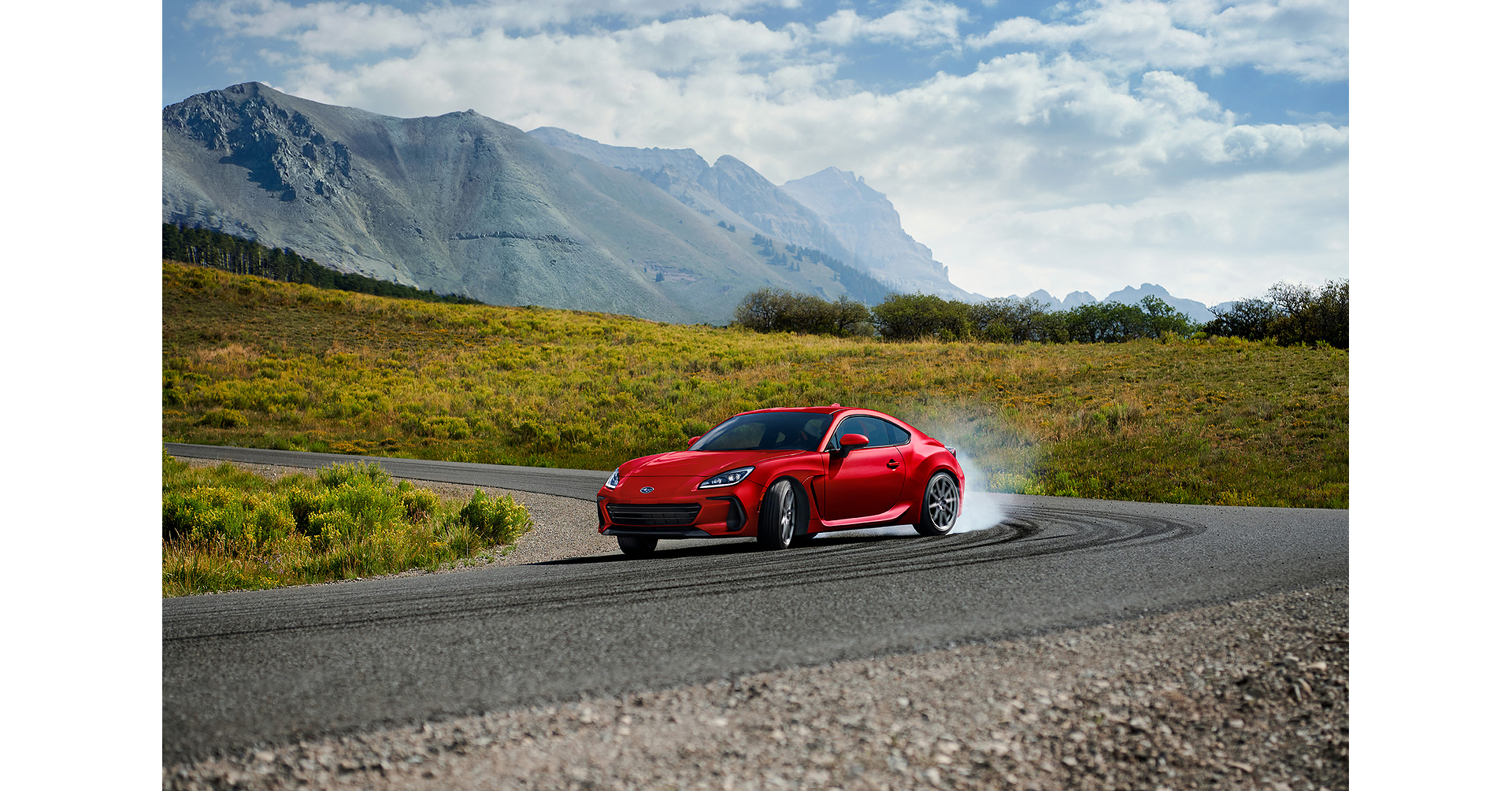
The 2027 Subaru BRZ represents a strategic attempt to maintain the purity of the analog sports car experience while integrating the increasingly stringent requirements of modern Advanced Driver Assistance Systems (ADAS). Arriving at retailers this fall, the rear-wheel-drive coupe balances a lightweight, driver-centric architecture with a significant upgrade to its vision-based safety stack-positioning Subaru to meet emerging U.S. mandates that will make systems such as automatic emergency braking standard on new light vehicles later this decade under the National Highway Traffic Safety Administration’s Federal Motor Vehicle Safety Standards.
Evolution of the EyeSight Vision System
The most critical technological update for the 2027 model is the deployment of the latest generation EyeSight® Driver Assist Technology across the entire lineup, including manual transmission variants. This iteration moves toward a more sophisticated sensing array, featuring a new wide-angle mono camera designed to expand the vehicle’s field of vision and support more demanding regulatory performance tests for pedestrian and vehicle detection.
By increasing the horizontal field of view, the system improves the detection of cross-traffic and pedestrians at intersections-historically critical failure points for older, narrower camera systems. This transition reflects a broader industry trend toward sensor fusion, where high-resolution optics are paired with algorithmic decision-making to reduce false positives in emergency braking scenarios and to deliver predictable performance under formal safety-assessment protocols.
The safety suite includes several layers of active intervention that move the BRZ closer to the baseline expected of new vehicles sold in major markets:
- Pre-Collision Braking: Automated deceleration to mitigate or avoid frontal impacts when a forward collision is imminent.
- Lane Departure and Sway Warning: Haptic and visual alerts to maintain lane integrity and address unintended drift.
- Lead Vehicle Start Alert: Notification when the vehicle ahead begins to move in traffic, reducing inattentive delays in congestion.
- Blind-Spot Detection: Integrated monitoring for rear-quarter proximity to assist with lane changes.
- Rear Cross-Traffic Alert: Specialized sensing for reversing in blind environments such as crowded parking areas.
Together, these systems allow Subaru to keep a traditionally enthusiast-focused coupe viable in an environment where safety regulators, insurers and fleet buyers increasingly view robust ADAS as a precondition for long-term market access and favorable risk ratings.
Mechanical Architecture and Performance Specifications
At its core, the BRZ utilizes a naturally aspirated 2.4-liter SUBARU BOXER® engine. This flat-four configuration maintains a low center of gravity, which is essential for reducing body roll and enhancing lateral stability during high-speed cornering, and remains central to the BRZ’s positioning as one of the few affordable, rear-wheel-drive sports cars still engineered around mechanical feel rather than hybrid assistance.
| Model/Trim | Transmission | Starting MSRP | Primary Hardware Updates |
|---|---|---|---|
| BRZ Limited | 6-Speed Manual | $36,140 | 18-inch alloy wheels, Michelin® Pilot® Sport 4 tires |
| BRZ Limited | 6-Speed Automatic | $36,990 | Electronic direct-control, Rear Automatic Braking |
| BRZ tS | 6-Speed Manual | $38,770 | STI-tuned Hitachi® dampers, Brembo® braking system |
The drivetrain focuses on driver engagement through a TORSEN® limited-slip differential, ensuring power is distributed effectively to the rear wheels to maximize traction when exiting corners. The selectable “Sport” mode further sharpens the experience by increasing throttle sensitivity and recalibrating the electronic power steering for quicker response and tighter maneuverability, while preserving a clear, linear relationship between driver input and vehicle behavior.
The tS Trim: Precision Engineering and Chassis Tuning
The BRZ tS variant elevates the platform through specialized hardware designed for more aggressive driving envelopes and track-adjacent use. The integration of Brembo braking systems-featuring gold-painted 4-piston front and 2-piston rear calipers-provides a more consistent pedal feel and higher thermal resistance during repeated heavy braking, a combination that matters as much for high-performance driving schools and club events as it does for everyday emergency stops.
To complement the braking power, the tS utilizes STI-tuned Hitachi® dampers. These components are calibrated to manage the vehicle’s low center of gravity more effectively, reducing pitch and roll during rapid weight transfers and helping the car remain composed over mid-corner bumps. For the 2027 model year, Subaru has also added rear parking sensors to the tS trim, addressing the visibility challenges inherent in the coupe’s low-slung profile and bringing the halo model into closer alignment with evolving expectations for low-speed maneuvering aids in dense urban environments.
Digital Integration and Interface
Inside the cabin, the BRZ Limited utilizes the Subaru 8.0-inch Multimedia Plus System, providing a bridge between the mechanical nature of the car and modern connectivity standards through Apple CarPlay and Android Auto. The tS model further distinguishes itself with a digital gauge cluster featuring cherry red accents and a custom STI welcome screen, reinforcing the vehicle’s performance branding through its user interface and giving Subaru’s performance division a clearer digital signature within the broader lineup.
Assembled in Gunma, Japan, the 2027 BRZ continues to serve as a benchmark for affordable, lightweight RWD sports cars, navigating the tension between raw mechanical feedback and the necessity of automated safety infrastructure. For regulators and policymakers working to implement technology-forcing standards on collision avoidance and occupant protection, cars like the BRZ offer an early test case: whether it is possible to preserve enthusiast-grade engagement while complying with the complex web of U.S. safety rules that govern new-vehicle certification, from core crash-protection requirements in FMVSS 208 to the emerging framework for ADAS performance.
Worth a look
