
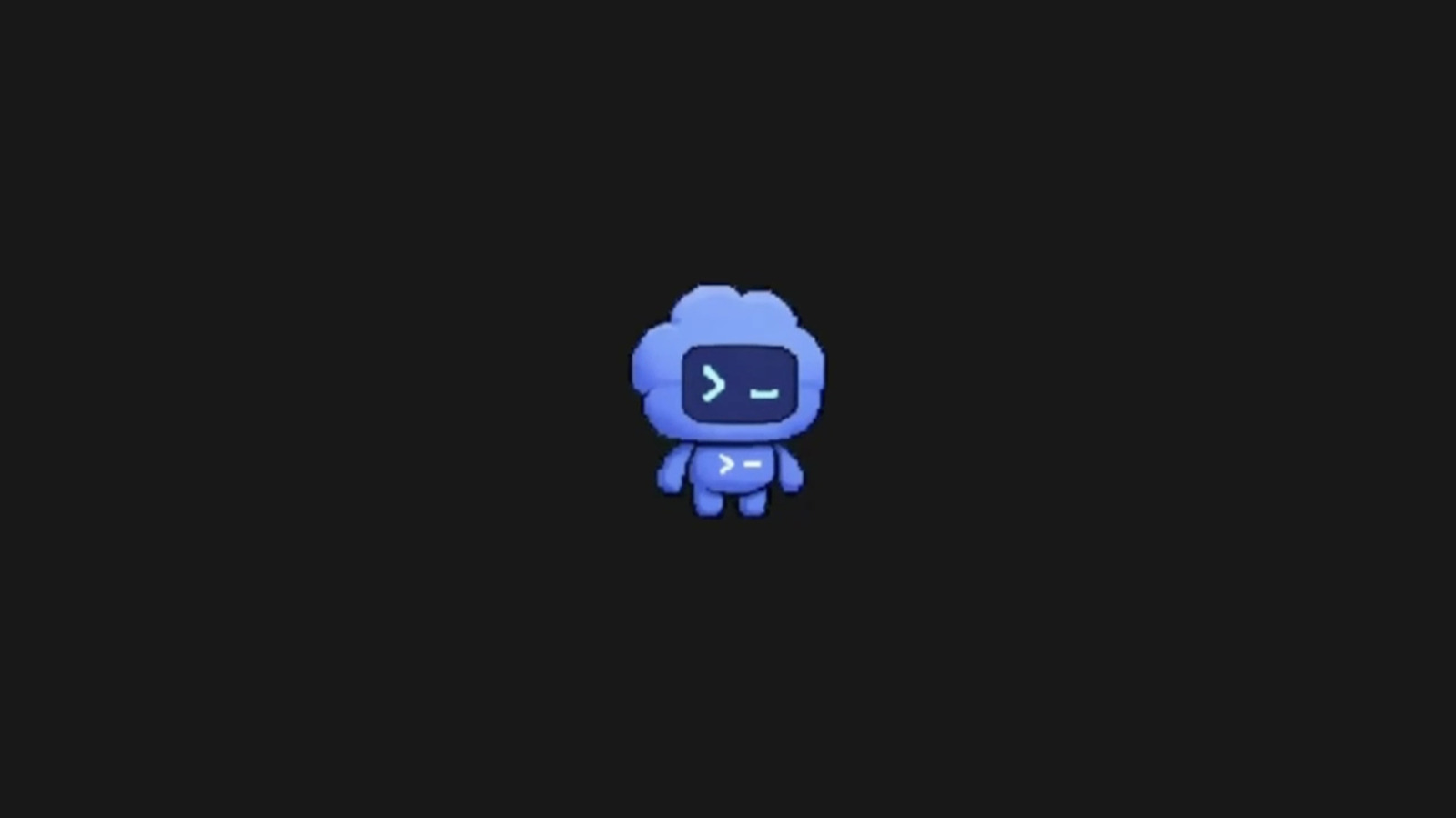
The evolution of the Integrated Development Environment (IDE) is shifting from static text editors to agentic ecosystems. OpenAI is leaning into this transition with the introduction of “optional animated companions” within its Codex app, attempting to bridge the gap between complex autonomous coding agents and the human developers supervising them.
Gamifying the Agentic Workflow
While the addition of digital pets may seem purely aesthetic, it addresses a core challenge in agentic AI: visibility. As AI agents move beyond simple code completion toward autonomous task execution-planning, writing, and debugging across multiple files-the developer often loses track of the agent’s internal state. These companions function as a visual telemetry system, serving as a floating overlay that can notify the user when the agent completes a task or requires human intervention.
This design allows developers to monitor Codex’s active thread without the cognitive load of frequent window switching, effectively reducing context switching, which is one of the primary productivity killers in software engineering. For teams already operating under emerging internal AI-use policies and external expectations around human oversight, the feature offers a lightweight way to keep a “human in the loop” as agents take on more of the routine work.
The interface is managed via simple chat commands:
- Summon/Dismiss: Users can type “/pet” to toggle the visibility of their companion, keeping the assistant present when needed and unobtrusive when not.
- Customization: The “/hatch” command enables users to generate unique AI-driven pets, ranging from traditional animals to more eccentric creations, allowing teams or individual developers to align companions with project culture or accessibility preferences.
Operational Utility of AI Companions
The integration of these pets represents a move toward “vibe coding,” where the developer acts more as an orchestrator than a manual writer. By transforming system notifications into character-driven alerts, OpenAI is applying gamification principles to the high-stress environment of software development, potentially easing cognitive fatigue while making agent behavior more interpretable at a glance.
Beyond aesthetics, this approach aligns with a broader trend in AI governance: making automated systems more observable and auditable to the humans accountable for their outputs. As companies adapt to frameworks such as the European Union’s AI Act, which emphasizes transparency, risk management, and human oversight of high-impact AI systems, visual cues about what an agent is doing and why are likely to matter not only to developers but also to compliance teams and technology leaders.
| Feature | Technical Function | Developer Impact |
|---|---|---|
| Floating Overlay | Asynchronous status updates | Eliminates app-switching for thread monitoring, allowing continuous awareness of long-running tasks. |
| Agentic Notifications | Event-driven triggers (Task Complete/Input Required) | Real-time synchronization between human and AI, supporting clearer responsibility boundaries within a workflow. |
| Custom Asset Generation | Generative AI via “/hatch” | Personalized workspace environment that can be tuned to team norms, accessibility needs, or internal risk guidelines. |
Cross-Platform Integration and Ecosystem Growth
The feature is deployed across both Windows and macOS, ensuring that the agentic experience is consistent regardless of the underlying operating system. This cross-platform availability is critical for enterprise teams that utilize hybrid hardware environments and for organizations that must demonstrate consistent AI tooling standards across business units.
The community has already begun extending the utility of the feature, with users uploading various custom options, including nostalgic nods to legacy software assistants. A collection of these user-generated versions can be found through community shares, showcasing the viral potential of customizable AI interfaces and hinting at a new layer of design work around how agents “present” themselves to end users.
To incentivize adoption and experimentation with these generative assets, OpenAI is offering 30 days of ChatGPT Pro for 10 of their favorite generated companions. This move highlights a strategic effort to gather data on how developers interact with visual AI cues, which may inform future platform architecture and the design of more sophisticated agentic interfaces that better surface provenance, uncertainty, and control. For product leaders and policy teams inside large software organizations, that data could shape how they design internal guardrails, documentation, and review processes around AI-assisted coding.
Early adopters have already shared their creations on social media, signaling that what began as an optional animated companion could become a reference point in how developers-and eventually regulators, procurement officials, and standards bodies-expect autonomous coding agents to explain themselves.
