
DUBLIN –
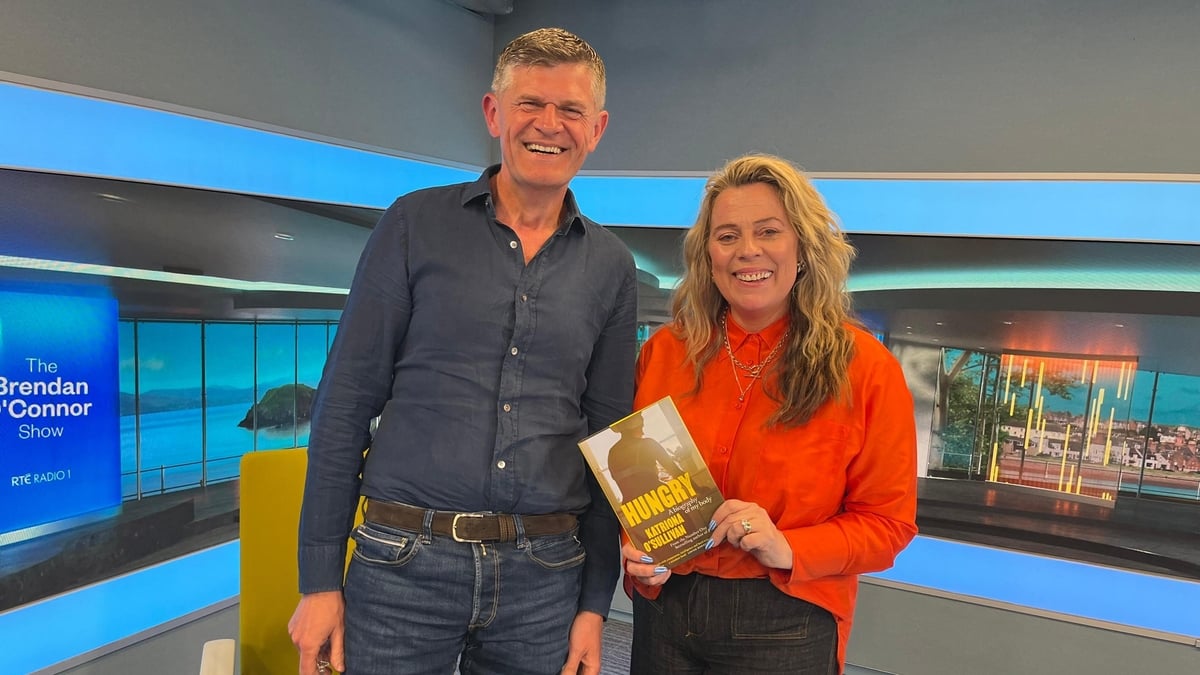
Katriona O Sullivan, the bestselling author of Poor, has detailed the thematic foundations of her new book, Hunger, focusing on the psychological intersections of trauma and body image.
The publication marks a transition in O Sullivan’s bibliography, moving from the socio-economic exploration of poverty seen in her previous work toward a more intimate examination of internalised health and identity narratives, particularly for women navigating stigma around weight and class.
Body Image, Childhood Trauma and Public Health
During a discussion with Brendan, O Sullivan addressed the specific ways in which childhood trauma informs a person’s perception of their physical self, linking those experiences to patterns later recognised in public health and mental health services.
The author stated that Hunger details her own relationship with her body, using her personal history to frame a broader discussion on how early life experiences dictate adult self-perception and engagement with health systems that are increasingly guided by frameworks such as the World Health Organization’s weight stigma and obesity guidance.
O Sullivan argues that, while those frameworks aim to steer national policy on obesity, they can collide with the lived reality of patients whose formative years were shaped by neglect, abuse or chronic instability, and who often arrive in primary care with deeply entrenched shame about their bodies.
The Fat-Girl Algorithm
A central component of the work is O Sullivan’s analysis of what she terms “the fat-girl algorithm.”
According to O Sullivan, this algorithm is a psychological or societal mechanism that maintains a grip on many women, influencing how they navigate their identities and physical presence in the world – from classroom experiences and workplace opportunities to how seriously their symptoms are taken in clinical settings governed by standards such as Ireland’s Healthy Ireland Framework.
By tracing that algorithm from childhood through adulthood, Hunger situates body image not just as a personal struggle but as a policy-relevant issue, challenging institutions to recognise how trauma, gender and class shape who is heard, who is blamed and who receives care.
Hunger is currently available for purchase.
Related reading
