
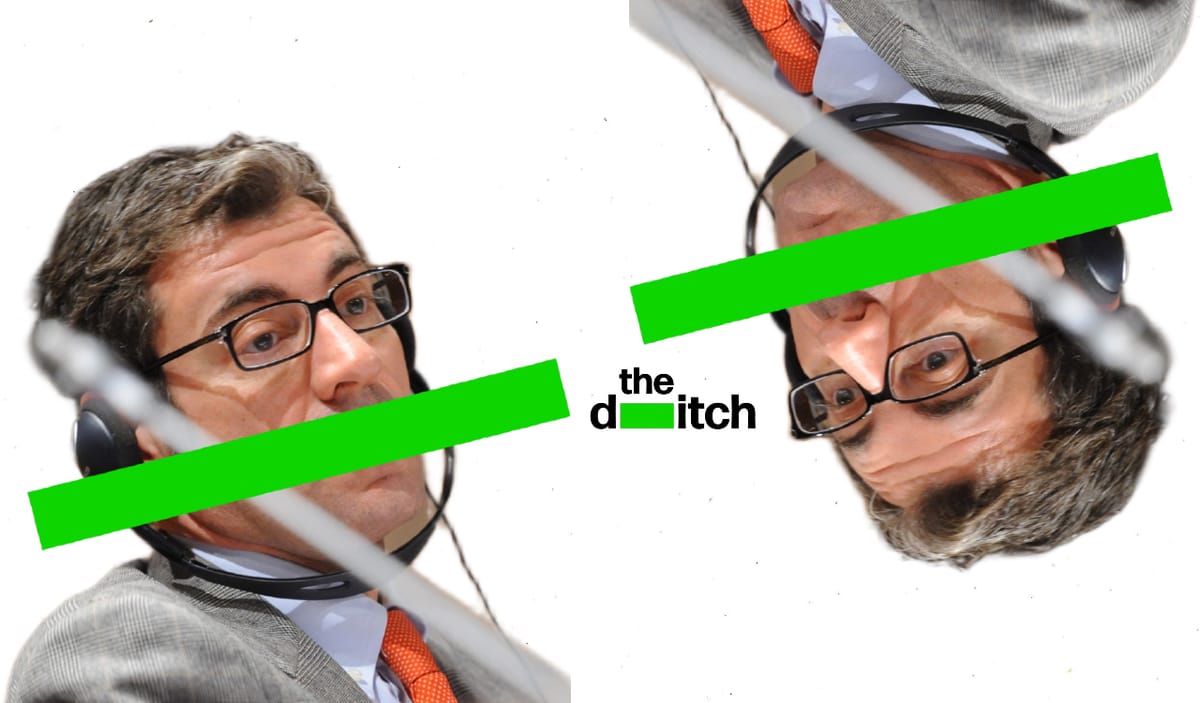
DUBLIN – Kevin Moore, a Dublin restaurant owner, has applied to the court for the return of an Audi Q8 that was seized from his residence in Wicklow.
The legal application follows the seizure of the luxury vehicle by the Criminal Assets Bureau (CAB), the state agency responsible for the identification and freezing of assets suspected to be the proceeds of crime under Ireland’s Proceeds of Crime Act 1996.
The proceedings center on the legal ownership of the asset and the criteria required for the state to relinquish seized property during an ongoing investigation, a process that can test the balance between crime control and property rights in Ireland’s civil forfeiture regime.
The vehicle in question, an Audi Q8, was removed from Moore’s home in County Wicklow. Moore is now seeking a court order to compel the return of the SUV, arguing that it should no longer be held as a suspected proceeds-of-crime asset while inquiries continue.
Under the operational framework of the Criminal Assets Bureau, the agency possesses the authority to seize assets if there are reasonable grounds to believe they represent the proceeds of criminal conduct. In such instances, the legal burden often shifts to the owner to provide evidence that the asset was acquired through legitimate means, including documentation on purchase, financing, and declared income.
The CAB operates as a multi-agency body, integrating personnel from the Garda Síochána, the Revenue Commissioners, and other state departments to monitor and seize assets under the Proceeds of Crime Act. The bureau has become a central plank of the State’s response to organised crime, using asset-freezing powers as a parallel track to traditional criminal prosecutions.
The current application is a procedural step in the recovery process, where the court must determine if the asset should be returned to the individual or retained by the state pending further legal action. Judges may consider factors such as the stage of the CAB investigation, the evidential basis for the original seizure, and any hardship claims connected to the loss of the vehicle.
The matter is currently before the court awaiting a judicial decision on the return of the vehicle. A ruling in Moore’s case will be closely watched by legal practitioners and enforcement agencies for any signal it sends about how rigorously courts will scrutinise CAB seizures and the evidentiary threshold required to keep assets frozen during extended investigations.
Worth a look
- Interactive Storytelling and Immersive Audio: How Next-Gen Gaming Engines Are Transforming Contemporary Television Production
- Independent Cinema’s New Distribution Paradigms: How Direct-to-Consumer Micro-Premiers Are Shifting Box Office Dynamics
- Josh Jacobs eligible to return for Packers in Week 7 (globallypulse.com)
