
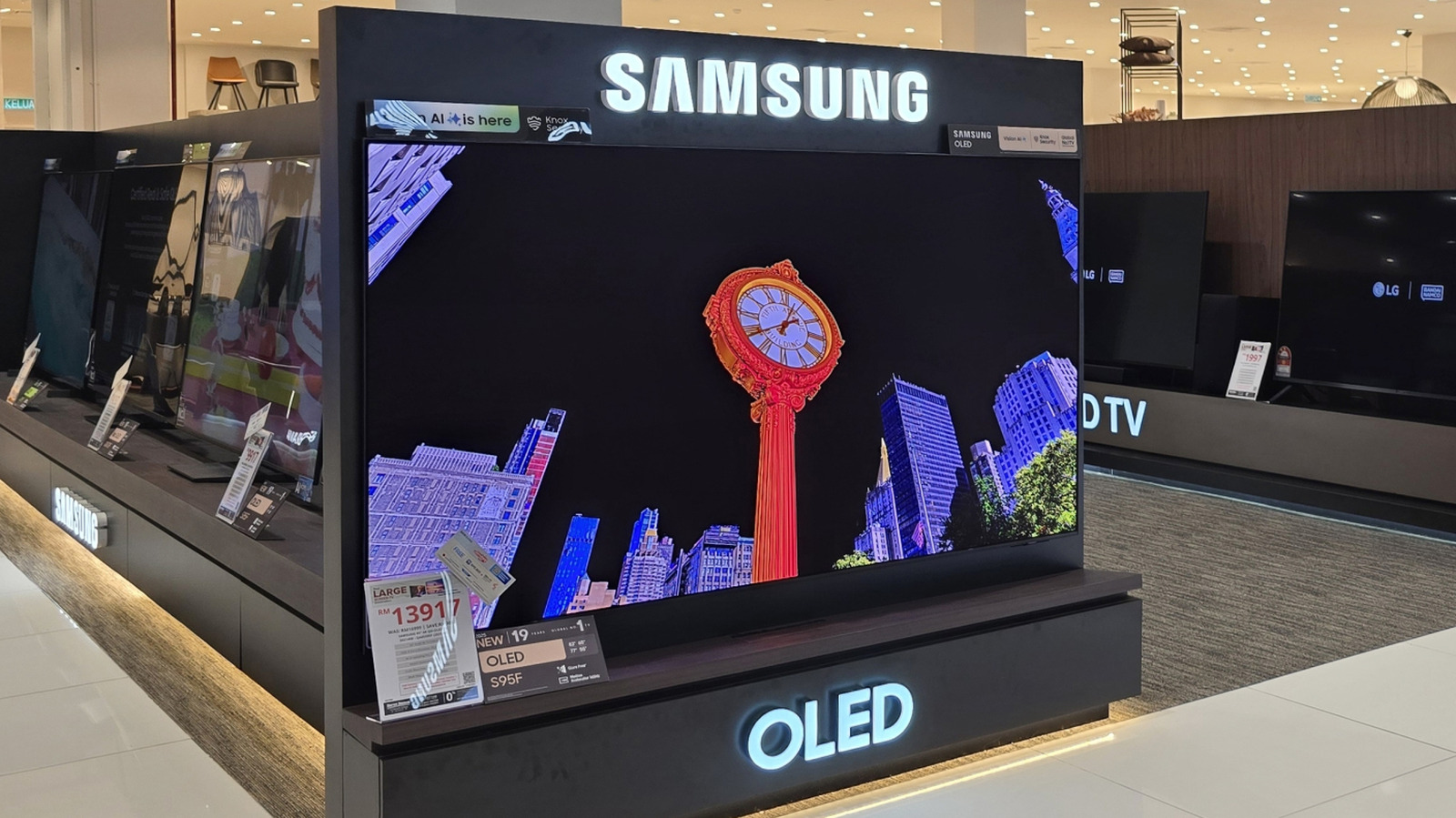
The landscape of home cinema in 2026 is defined by a widening gap between luxury display engineering and mass-market utility. For years, the industry has pivoted toward OLED as the gold standard for visual fidelity, cited for its superior color contrast and near-instantaneous pixel response times. Yet, as the market matures, the financial premium associated with this technology-often referred to as the “OLED tax”-has become a central point of contention for consumers balancing performance against longevity and total cost of ownership.
While high-end displays continue to push the boundaries of brightness and vibrancy, the convergence of competing technologies has made the choice more complex. The rise of advanced LCD variants has challenged the dominance of self-emissive panels, creating a tiered market where the “best” screen is no longer a universal designation, but one dependent on specific environmental factors, usage patterns and, increasingly, compliance with tightening energy and product standards.
The Engineering Divide: Self-Emissive vs. Backlit Architecture
To understand the value proposition of premium displays, one must look at the fundamental system design. OLED, or “organic light-emitting diode,” operates on a self-emissive architecture. In this design, every individual pixel generates its own light, allowing the system to achieve absolute black by simply powering down specific pixels. This removes the reliance on a global light source, eliminating the “blooming” effect often seen around bright objects on dark backgrounds.
In contrast, LCD technology relies on a backlight that filters through liquid crystals. While traditional LCDs struggled with contrast, the introduction of Mini-LEDs has shifted the paradigm. By utilizing thousands of microscopic LEDs grouped into “local dimming zones,” modern LCDs can deactivate specific sections of the backlight to mimic the precision of OLED. This architectural shift allows mid-tier panels to approximate high-end performance without the manufacturing costs of organic materials, a key reason they still underpin much of the mainstream TV market.

Comparative Performance Metrics for 2026
When evaluating the infrastructure of these displays, the trade-offs typically fall into three categories: visual precision, environmental adaptability and hardware endurance. In practical terms, that means the right panel for a basement theater is not necessarily the right panel for an open-plan family room or a 24/7 news studio.
| Feature | OLED (Organic LED) | Mini-LED (Advanced LCD) |
|---|---|---|
| Contrast Ratio | Effectively infinite (true pixel-level blacks) | High (zone-dependent, some haloing possible) |
| Peak Brightness | Moderate to high, constrained for panel health | Very high, well-suited to bright rooms |
| Response Time | Near-instantaneous; excellent for fast motion | Fast, but still dependent on LCD pixel response |
| Lifespan Risk | Susceptible to burn-in and long-term dimming | Highly stable, minimal risk of image retention |
| Manufacturing Cost | Premium / flagship; lower yields, higher waste | Competitive / mid-tier; mature, commoditized lines |
Mitigating the Risks of Organic Degradation
The primary technical hurdle for OLED remains the inherent instability of organic compounds over time. While modern panels utilize AI-driven pixel shifting, logo dimming and heat-dissipation layers to extend longevity, the risk of permanent image retention persists over years of heavy, static use. This makes the technology less ideal for environments where fixed elements-such as news tickers, sports scoreboards or user-interface overlays-are displayed for extended periods.
For users in high-ambient-light settings, the raw brightness of an LCD often outweighs the contrast benefits of an OLED. Because LCDs can push higher nits of brightness without risking the thermal degradation of organic pixels, they remain the superior choice for sun-drenched living rooms, commercial lobbies and shared office spaces. Furthermore, as manufacturers integrate more sophisticated HDMI 2.1 feature sets-including variable refresh rates and low-latency modes-across all price points, the gap in gaming performance-once a major OLED advantage-has narrowed significantly for most mainstream buyers.
The Economics and Policy Pressures Behind Display Manufacturing
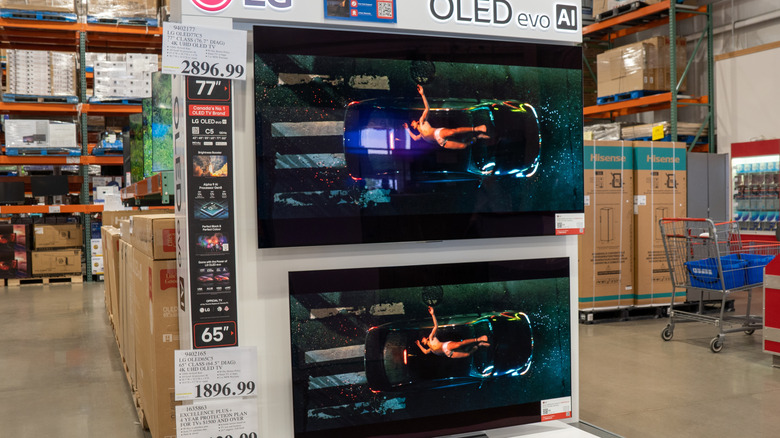
The pricing disparity between these technologies is rooted in the complexity of the fabrication process. OLED panels require vacuum deposition of organic materials and precise encapsulation, a process that is more resource-intensive and prone to defects than the established LCD assembly line. This is why brands typically reserve OLEDs for their flagship models, bundling them with high-end operating systems, advanced audio and sleek, ultra-thin chassis that can command premium sticker prices and higher margins.
At the same time, energy policy is starting to influence what hangs on living-room walls. In major markets, TV makers must now navigate efficiency rules such as the European Union’s Energy Labelling and Ecodesign framework, which effectively steers manufacturers toward lower power consumption at a given screen size. As global energy efficiency standards tighten, the power draw of bright, HDR-capable panels is coming under closer regulatory and corporate scrutiny.
While OLEDs can be more efficient when displaying dark content, the high-brightness requirements of modern HDR (High Dynamic Range) movies, sports and games can drive up both energy use and operating temperatures. For the average consumer-and for institutions managing hundreds or thousands of displays-the decision increasingly rests on whether the pursuit of perfect blacks justifies the higher entry price, potentially higher running costs in bright modes and the inherent fragility of the organic panel.
Ultimately, the choice is a matter of use-case optimization rather than ideology. If picture quality performance is the absolute priority for a dedicated, light-controlled home theater, the investment in OLED is still justified. For those requiring a versatile, durable and bright display for general household use, classrooms, public information screens or corporate environments, the rapid advancements in Mini‑LED and other LCD technology provide a compelling, cost-effective alternative that also aligns more comfortably with emerging efficiency rules.
Keep reading
